In manufacturing, from operator on the floor through General Manager
Maintenance & Operations Alignment
Your maintenance and production teams are fighting. It's costing you every week.
I get them working the same problems, so you cut downtime and recover capacity with the people you already have.
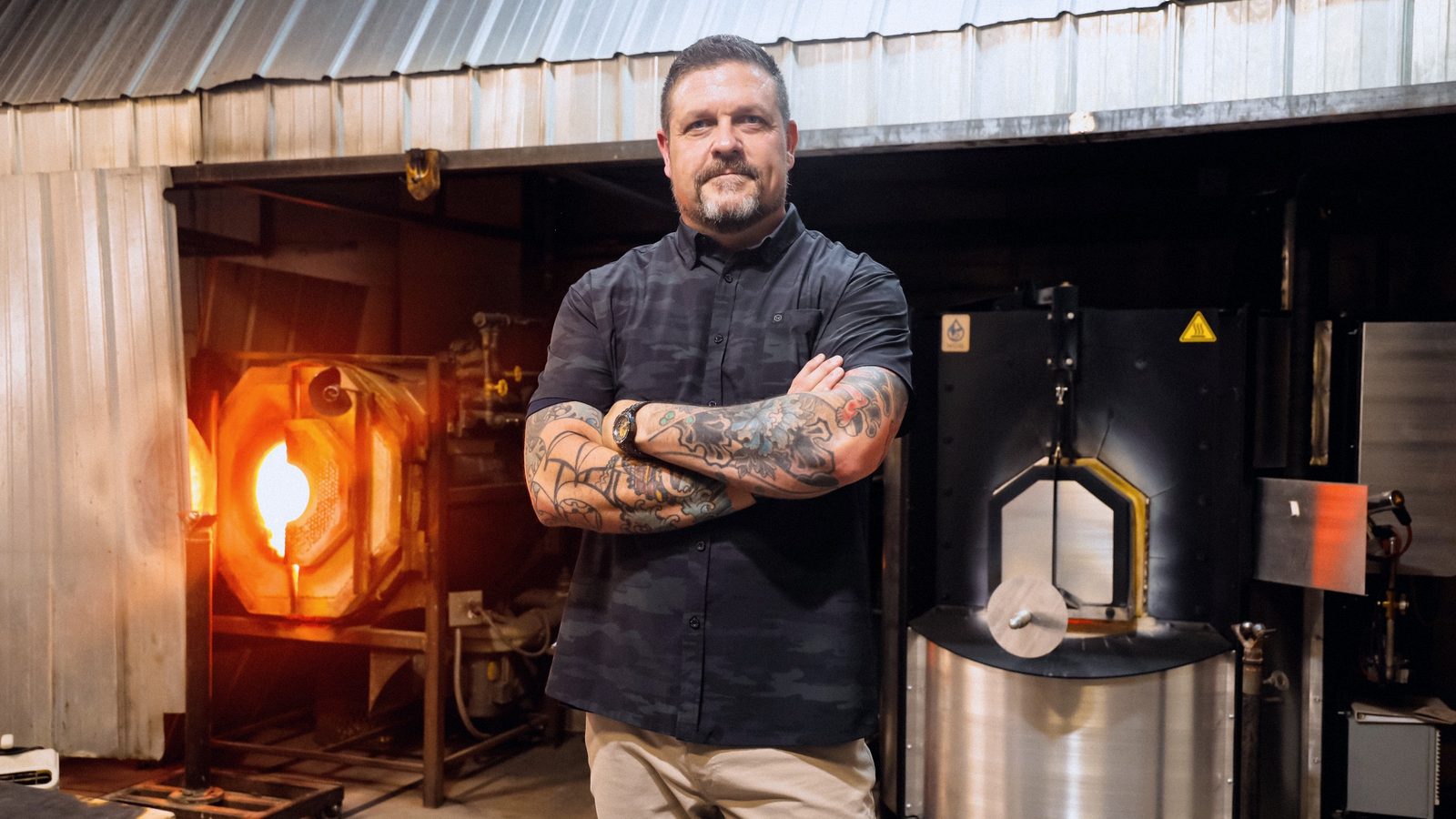
32yrs
42
Plants in my reliability responsibility as Director of Asset Reliability at a Fortune 250 manufacturer
$15K/wk
Runtime recovered on one client's main line
6months
To one scorecard, one daily meeting, and gains that hold
“He doesn't show up with a slide deck and a theory. He's stood where your plant manager stands.”
Symptoms
You already know where it bleeds.
Plant managers don't wake up wanting a consultant. They wake up asking why the line went down again, why overtime keeps climbing, and why the fix from last spring didn't hold.
BLAME
Two departments, two stories
Maintenance blames production. Production blames maintenance. Nobody owns the breakdown.
OTIF
Missed ship dates
Unplanned downtime eats the schedule, and expedited freight eats the margin.
PEOPLE
Supervisors who were never taught to lead
Good operators get promoted, then left to figure it out. Turnover follows.
OUTPUT
More output, same crew
The target goes up. The headcount doesn't. Hiring isn't the answer you're looking for.
STICK
Fixes that leave when the pusher leaves
Every improvement depends on one strong personality. When that person is out, the plant slides back.
SAFETY
Injuries in the rush
Most recordables happen during a breakdown, a repair, or a rush to catch up. Fewer surprises means fewer injuries.
Proof
Brakebush Brothers · Westfield, Wisconsin
50%+
Less startup downtime on the main line.
About 3.5 hours of runtime back every week.
Scott Massengale on the Brakebush work · 1:54
- “They realized that they had more control over things out there on the floor than what they thought they did.”
- “The really interesting and unique part about what you did was the focus on the maintenance side of things.”
- Problem
- The main line averaged 7 to 7.5 hours of downtime a week, most of it in the first two hours after startup. Maintenance and production each worked their own side of it.
- Cost
- About $15,000 a week in lost runtime. Roughly $780,000 a year.
- Action
- Got maintenance and production working the startup problem together, with shared work management and a clear line on who owns what.
- Result
- Startup downtime cut 50 to 55%. The plant's worst days now beat what it was doing six to eight months earlier.
“Be prepared to buy in, but also be prepared to invest in the team.”
Scott Massengale, Plant Manager, Brakebush Brothers
Brakebush Brothers · Irving, TX
90%+
From finger-pointing to 90%+ on-time starts.
Up from under the plant's 80% goal, and holding week to week.
- On-time starts
- 90%+
- Labor savings
- ~$87K/yr
- Capacity
- Unlocked
Hermelando Sanchez, Plant Manager, Brakebush Irving, on working with Steve Baumgartner and Fire Forged Enterprise.
- Problem
- On-time line starts at this two-plant site were running under the plant's 80% goal. Maintenance and operations blamed each other for startup misses, and about 2 hours a week were lost to startup problems.
- Cost
- Labor sat idle at every late start, capacity was stuck, and the two departments were working against each other. In Hermelando's words: “If one department is successful and the other is not... we will lose money as a whole.”
- Action
- Built a cross-functional team of maintenance and operations, led by third-shift leader Billy McDonald, using the Fire Forged method. The team met daily, set one shared goal, owned startups together, and followed the same process every day.
- Result
- On-time starts now run consistently in the 90s, week to week. Labor savings are $7,252 per period across all lines, about $87K per year, and more line capacity is now open for sales to fill.
“It doesn't help our leaders to grow in pointing fingers.”
Hermelando Sanchez, Plant Manager, Brakebush Irving
The system
The FORGE OS Plant Alignment Program.
Six months. The first 90 days put maintenance and operations on the same plant goals, the same scorecard and the same daily meeting. The next 90 make it hold, with or without me in the room. We measure both.
FMonth 1
Fault Lines
Floor walks on both sides. Interviews from the ops manager to the operators. KPI baseline.
Validated cost of the gap
OMonth 2
Ownership
Leaders set the plant goals. Each side commits to what it will do and what it needs from the other.
Signed Alignment Charter, one joint scorecard
RMonth 3
Rigor
PM release paired with planned, kitted jobs. Operator basic care paired with technician cause reporting.
Habits in place. First results reviewed at day 90.
GMonths 4–5
Gain
Joint root cause on repeat failures and startup losses. Close the biggest losses. Coach supervisors through the hard months.
Measured improvement on your numbers
EMonth 6
Elevation
I step back and the plant runs it. Final measurement and a results review with your GM and CFO.
A results report and a plan to sustain it
Each month has a named deliverable, a written target, and a results review with your GM and CFO.
See how the program worksNeed one area fixed first? See focused projects
Plant Alignment Check
Four questions. Two minutes.
Answer for your plant as it runs today, not as it runs on a good week. Best results come when your ops and maintenance managers each take it.
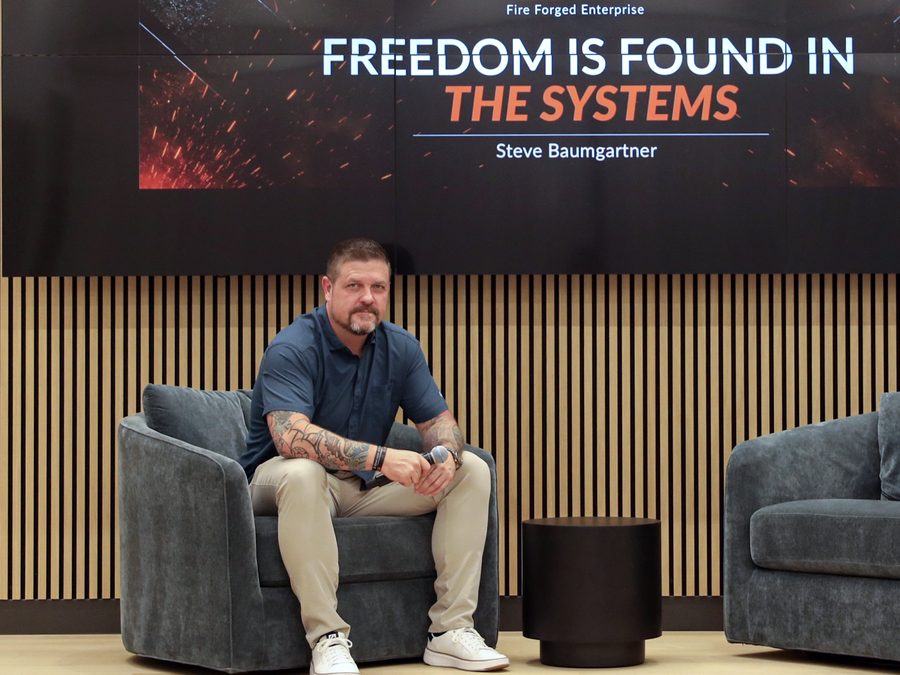
Training
Frontline leadership for production and maintenance supervisors.
Same room, both sides. Most of it happens on their own floor. Earned, not given.
Questions
Straight answers.
What does Fire Forged Enterprise do?
Fire Forged Enterprise is a plant performance consultancy that gets maintenance and production working the same problems. Steve Baumgartner works with plant leaders to cut downtime and recover capacity with the people they already have.
Why do maintenance and production teams fight?
They fight because each side is measured on its own goals and nobody owns the gap between them. Production needs the line running. Maintenance needs time on it. When it goes down, the argument is over whose problem it is.
How do I find out if my plant has this problem?
Take the free Plant Alignment Check. It's four questions and takes two minutes, and it works best when your operations and maintenance managers each take it.
Where are you based, and do you travel?
I'm based in Lincoln, Nebraska, and I come to your plant.
Contact
Give me 30 minutes. Tell me what's happening on your floor.
You'll leave knowing whether the gap is worth a closer look and where I'd start. If it isn't worth closing, I'll tell you.
Not the decision-maker? Most plants find me through their maintenance or reliability manager. Send your plant manager the one-page brief.
Get the 1-page briefBased in Lincoln, Nebraska. I come to your plant.